Hospital Violence Prevention
An internal innovation group at a $7B hospital system with over 20 hospitals and 300 locations focusing on spin-outs that enhance care delivery.

Our client wanted to know
How do we protect nurses against workplace violence?
Workplace violence against pediatric healthcare workers is widespread, underreported, and normalized.
The innovation group wanted to understand how providers prepare for and react to these scenarios, ultimately looking for novel strategies for their hospital system. ZoCo interviewed leaders and innovators at some of the nation's most respected pediatric behavioral health institutions to hear their honest, unfiltered responses.

Every step was evaluated through a trauma-informed lens.
Approaching this research as a third party offered anonymity to interviewees. To reduce the chance of emotional harm to participants, we interviewed people who were responsible for finding, creating, and implementing interventions, not the nurses and care providers experiencing the violence directly. Every step considered how we could promote psychological safety, trust, and reflection.

While protective equipment like helmets seemed impractical, participants reiterated their importance.
The innovation team initially believed there had to be a better solution, but with few medical-grade behavioral personal protective equipment (BPPE) options available, many institutions continue to rely on equipment designed for other industries, such as sports and construction.
Participants showed off their home-grown solutions.
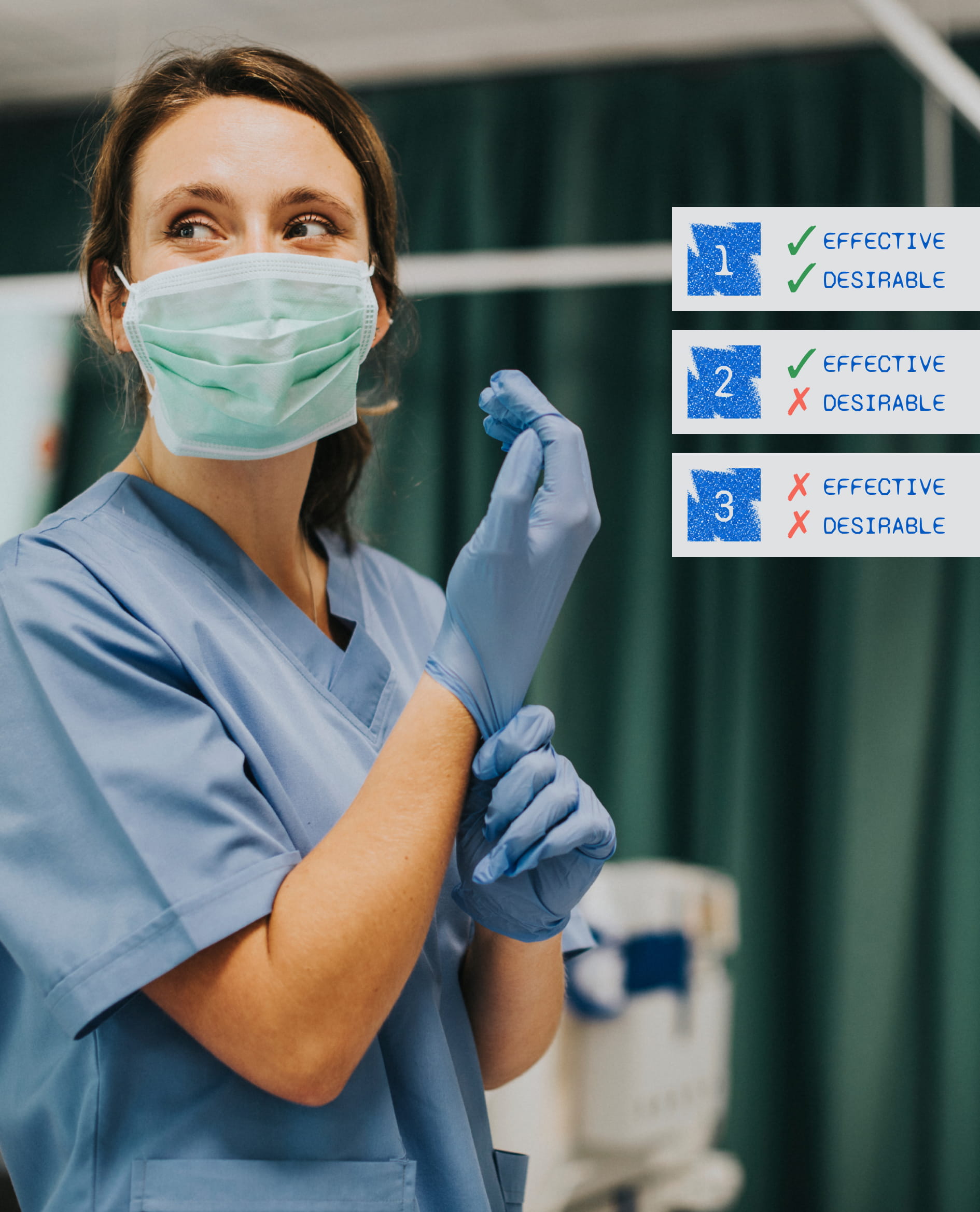
Because of the frequency of this violence and lack of resources, many are designing their own way of addressing the problem. While many interventions have been attempted, only a small number proved both effective and desirable to the healthcare workers themselves.
Creating momentum for leadership action takes more than awareness alone.
Participants described a variety of ways violence prevention efforts gain traction. Sometimes it takes a rise in reported incidents or a particularly severe event to draw attention. Other times, newly available state funding can make new initiatives more feasible. Many participants emphasized the importance of connecting solutions to leadership priorities, including patient satisfaction, staff retention, and operational stability.
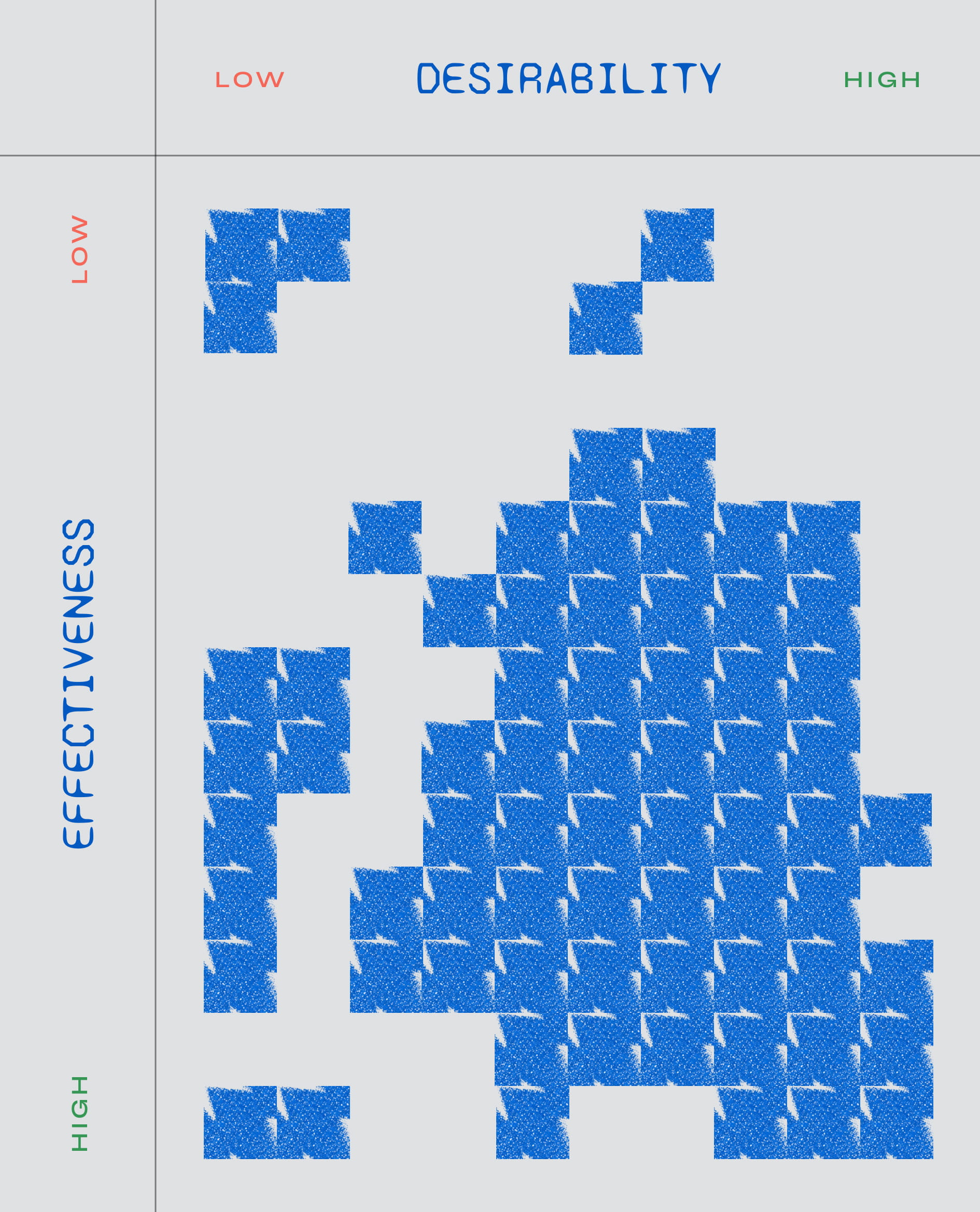
70+ solutions provide guidance for unique violent scenarios.
While the innovation group had hoped for a "silver bullet solution,” our research revealed that even leading institutions are using, on average, 15 of these solutions. To make this catalog of solutions valuable, we evaluated each one on effectiveness (how successful a solution is at achieving its goal) and desirability (willingness of staff to use the solution). This toolkit helps them select the best-fit options for each unique location.
We can think of nothing better than improving the experience of children and the staff that cares for them.
What we delivered to the hospital innovation group:
Audience Definition Workshop
Research Report
Interviews
Next Case Study:
Girl Scouts of Ohio's Heartland

.svg)
